


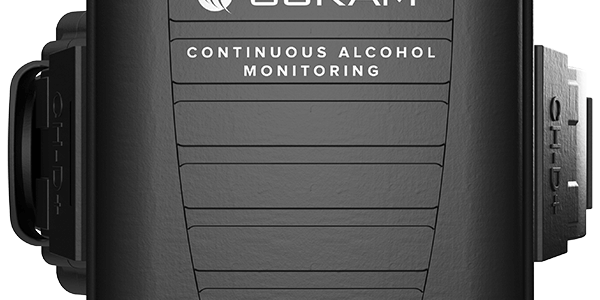
When dealing with alcohol-related offenses in North Carolina, Continuous Alcohol Monitoring (SCRAM) devices often become part of the legal conversation.
What is SCRAM?
SCRAM stands for Secure Continuous Remote Alcohol Monitoring. It’s an ankle bracelet that monitors an individual’s alcohol consumption 24/7 by analyzing perspiration. The device is tamper-resistant and designed to detect even trace amounts of alcohol in the wearer’s system.
SCRAM is often used in cases where sobriety is a condition of bond, probation, or parole. It ensures compliance with court orders and helps offenders demonstrate accountability.
When is SCRAM Needed?
- Driving While Impaired (DWI) Sentencing
SCRAM is commonly ordered in DWI cases, particularly for offenders who face aggravated sentencing levels. North Carolina has five levels of DWI sentencing, with Level 5 being the least severe and Aggravated Level 1 being the most severe. SCRAM is usually required in cases involving:
• Aggravated Level 1 (A1): This is the harshest sentencing level, reserved for offenders with multiple grossly aggravating factors, such as:
• A prior DWI conviction within the last seven years.
• Driving with a child under 18 in the car.
• Causing serious injury to another person while impaired.
• Level 1: For cases with at least one grossly aggravating factor.
• Judges may also impose SCRAM for Level 2 offenses if aggravating factors suggest ongoing alcohol abuse.
In these cases, SCRAM may be used as part of the defendant’s sentence to enforce sobriety, particularly if the offender is allowed to remain out of custody or receives a suspended sentence.
- Domestic Violence with Alcohol Involvement
• SCRAM can be ordered when alcohol abuse is linked to domestic violence incidents to monitor and ensure sobriety. - Probation Requirements
• Offenders on probation for alcohol-related crimes may need to wear a SCRAM device as a condition of their sentence. - Pre-Trial Release Conditions
• Judges may order SCRAM as a condition of bond to ensure the individual remains sober while awaiting trial.
Benefits of SCRAM in DWI Sentencing
SCRAM provides several benefits when included as part of DWI sentencing:
1. Avoiding Jail Time:
• For Level 1 and Level 2 offenders, SCRAM may allow a defendant to avoid or reduce active jail time by demonstrating compliance with sobriety requirements.
2. Accountability and Sobriety:
• SCRAM ensures the offender remains alcohol-free during the monitoring period, addressing concerns about public safety and personal accountability.
3. Rehabilitation:
• Courts view SCRAM as a tool to support behavioral change, helping offenders reduce or eliminate their dependence on alcohol.
4. Meeting Sentencing Mitigation Goals:
• Demonstrating voluntary compliance with SCRAM can serve as a mitigating factor at sentencing. Judges may impose lighter penalties for offenders who show proactive efforts to address alcohol issues.
How Does SCRAM Work?
SCRAM uses transdermal alcohol testing, which measures alcohol through the skin. Here’s how it works:
• Every 30 minutes the device checks for alcohol in sweat.
• If alcohol is detected, the SCRAM device records the data and alerts the monitoring agency.
• The data is transmitted to a monitoring center, which reports violations to the court or supervising agency.
What Does SCRAM Cost?
The cost of SCRAM in North Carolina can vary depending on the county and monitoring agency. Here’s a general breakdown:
• Installation Fee: $50–$100 (one-time fee).
• Daily Monitoring Fee: $10–$15 per day, amounting to about $300–$450 per month.
Over a typical 90-day monitoring period, the cost can range from $900 to $1,500.
SCRAM devices serve as a powerful tool in North Carolina’s efforts to monitor and address alcohol-related offenses. For DWI offenders, SCRAM offers a way to demonstrate sobriety, meet court requirements, and potentially reduce active jail time. While the financial burden can be significant, SCRAM provides an opportunity for accountability and a path toward rehabilitation.
If you’re facing a situation where SCRAM might be required, consult with an experienced attorney to understand your rights and explore options. Continuous alcohol monitoring can be a critical step toward fulfilling court requirements and moving forward with your life.
For more information about SCRAM, DWI, or related legal matters, feel free to reach out at 980-320-0519 or email me at keith@keithmetzlaw.com